Home energy upgrade
Battery Storage
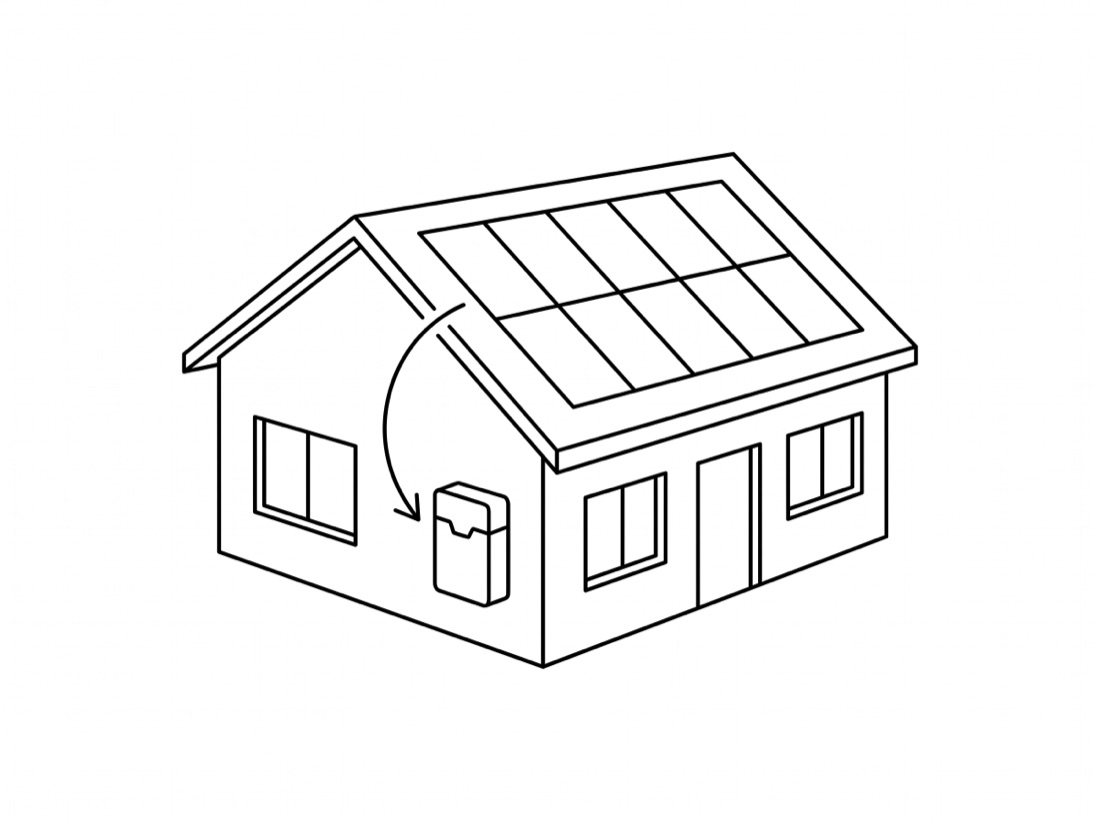
Store surplus solar generation or cheap off-peak electricity to use in the evening — maximise self-consumption and reduce your grid bills.
Step by step
How Battery Storage installation works
-
An assessment reviews your current solar generation and consumption profile to size the battery correctly.
-
The battery unit is installed alongside your existing inverter or paired with a hybrid inverter.
-
A certified electrician connects the system and configures charging schedules to match your tariff.
-
Your installer provides commissioning documentation; the system is activated and monitored via an app.
Why it's worth it
Benefits of Battery Storage
- Store excess solar electricity instead of exporting it at a low rate
- Use stored energy in the evening when solar is not generating
- Charge on cheap off-peak tariffs (e.g. Octopus Go) to cut overnight costs
- 0% VAT when installed alongside or after an eligible solar PV system
- Provides a degree of power resilience during short outages (system-dependent)
- Can be retrofitted to an existing solar PV installation
What to budget
Typical cost
Costs vary significantly depending on property size, existing systems, and installer. A surveyor's assessment will give you an accurate figure. Available grants (listed below) can substantially reduce the net cost.
Is this right for you?
Ideal for
- Existing solar PV owners who export more than they consume
- Homeowners on time-of-use tariffs wanting to arbitrage cheap overnight electricity
- Properties with high evening electricity demand (EVs, heat pumps)
- Anyone looking to reduce grid dependence over the long term
Financial support
Grants you may qualify for
View all UK energy grants →Ready to go?
Find MCS-certified Battery Storage installers near you
Compare MCS-certified specialists in your area, check their credentials, and book a free assessment worth £380.