Solar panels are everywhere on UK rooftops, but the honest question most homeowners ask is simpler: will they actually pay for themselves? The answer is usually yes, but how quickly depends on your roof, your daily habits and your electricity tariff. There is no single payback figure that fits every home, so anyone quoting you a guaranteed number should be treated with caution. This guide explains what a system typically costs, the two distinct ways solar saves you money, and the realistic factors that make the sums add up faster or slower for your particular property.
What does a solar PV system cost?
What a 3 to 5 kWp solar PV system costs to install depends on the number of panels, the equipment specified, the complexity of your roof and your installer, so the figure is only firm once your roof has been surveyed. Since energy-saving materials are zero-rated for VAT until 31 March 2027, you should not be charged VAT on the installation — that 0% rate is applied automatically on a qualifying installer's invoice across the UK.
It is worth remembering that the headline price is not the whole story. The right system size for your home matters more than the biggest one you can fit, because oversizing a system you cannot use much of yourself tends to lengthen payback rather than shorten it.
The two ways solar saves you money
Solar reduces your bills in two separate ways, and understanding the difference is the key to judging whether it is worth it for you.
- Self-consumption: every unit of solar electricity you use in the home is a unit you do not buy from your supplier. This is by far the most valuable benefit, because the price you avoid paying for imported electricity is usually much higher than the price you earn for exporting.
- Export payments: any surplus you do not use can be sold back to the grid through the Smart Export Guarantee. This adds to your return, but it is generally the smaller of the two savings for most households.
Because self-consumption is worth more than export, the more of your own generation you can use during daylight hours, the better the economics. That single point shapes almost everything else about your payback.
How the Smart Export Guarantee works
The Smart Export Guarantee (SEG), overseen by Ofgem, requires licensed electricity suppliers to pay you for surplus solar electricity you export to the grid. To qualify you need an MCS-certified installation and a smart or half-hourly export meter so the supplier can measure what you send out. You can shop around: the supplier paying you for export does not have to be the one you buy electricity from.
Rates vary considerably from one supplier to another and can change over time, so we deliberately avoid quoting a figure here — always compare current SEG tariffs before you sign up, and check whether a generous export rate comes with conditions. As of 2026, it is sensible to review the latest offers directly rather than rely on older numbers.
What affects your payback
Payback is the time it takes for your accumulated savings to match what you spent. Rather than chase a precise figure, it helps to understand the levers that move it. The honest position is that payback typically falls within a range of years and depends heavily on the details below.
- Roof orientation and pitch: south-facing roofs generate most, though east-west arrangements can spread generation across the day, which can suit some households.
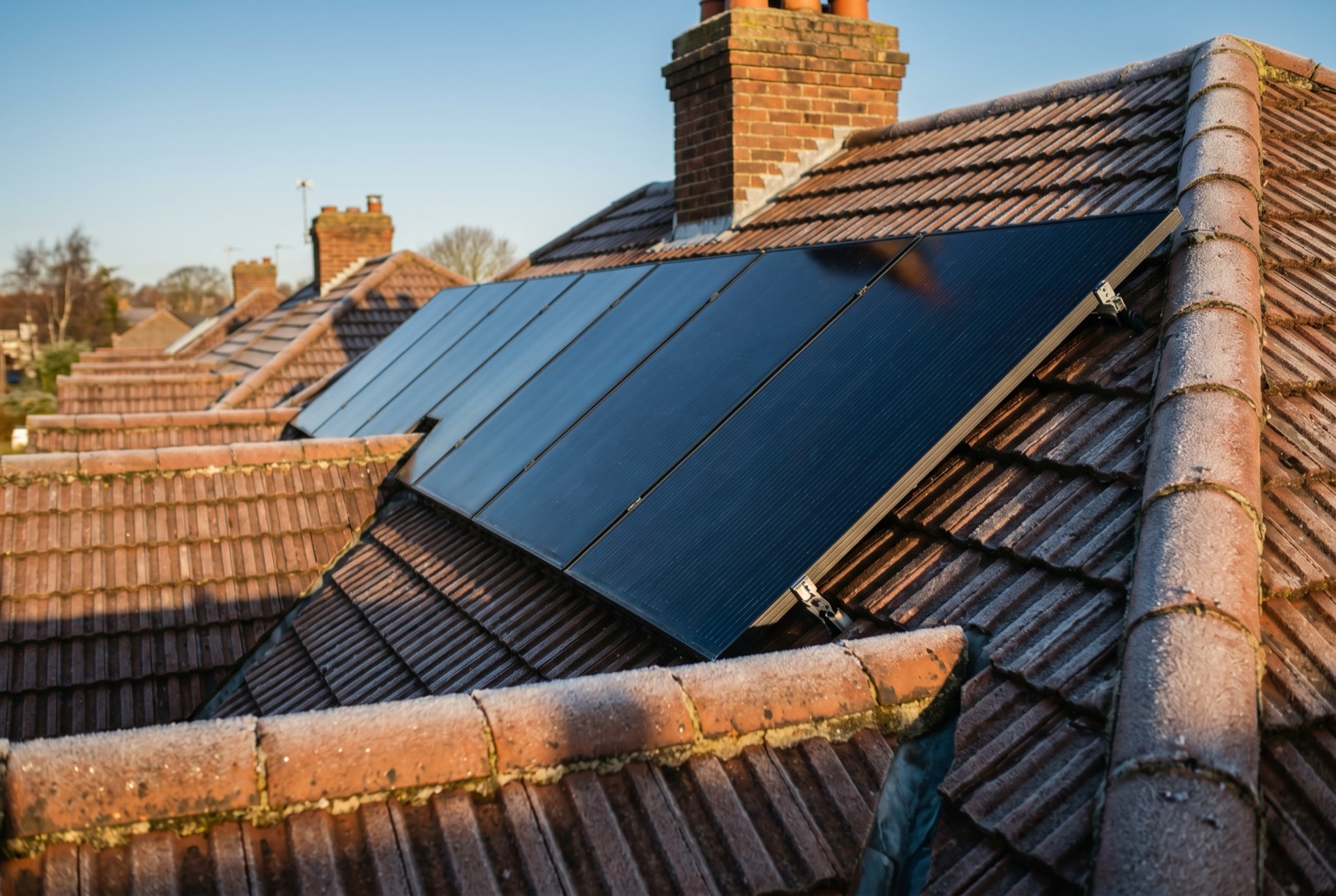
- Shading: chimneys, trees or neighbouring buildings that shade the panels reduce output, sometimes significantly.
- Daytime usage: if someone is home during the day, or you can shift appliances like the dishwasher and washing machine to daylight hours, you self-consume more and save more.
- EVs and heat pumps: charging an electric car or running a heat pump on solar electricity dramatically increases the value you get from each unit generated.
- Your tariff: the higher the price of imported electricity you avoid, the faster the system pays back.
Should you add a battery?
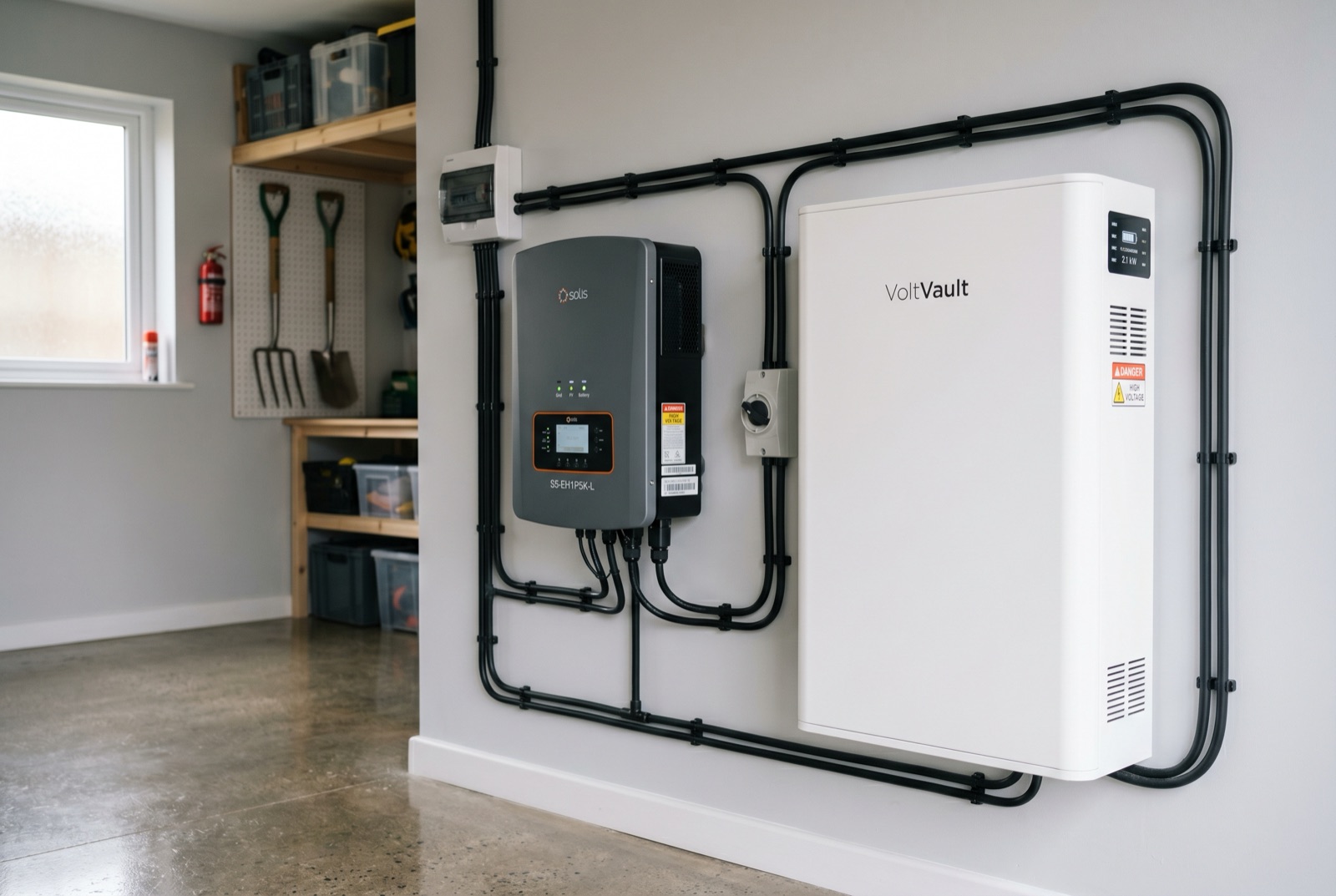
A battery stores surplus daytime generation so you can use it in the evening instead of exporting it cheaply and buying it back at a higher price. Battery storage adds to the install cost, with the figure driven mainly by capacity, and, like panels, is zero-rated for VAT until 31 March 2027. It can meaningfully increase self-consumption, particularly if you are out during the day.
A battery is not automatically worth it for everyone, though. Whether it improves your overall return depends on your usage pattern, the gap between your import and export prices, and whether you can use a time-of-use tariff to charge cheaply overnight. For many households it is best considered as a sensible add-on rather than a default purchase, and the decision is easier once you have a clear picture of your own consumption.
The biggest savings come not from the panels alone, but from how much of your own sunshine you manage to use.
Renovation Register energy guidance
So, is it worth it?
For most UK homes with a decent roof and reasonable daytime usage, solar PV remains a sound long-term investment — and the combination of 0% VAT and SEG export payments helps the numbers stack up. But the only way to know your real cost, generation and payback is to assess your specific roof, shading, usage and tariff.
That is exactly what a free, no-obligation project assessment is for: an MCS-certified installer visits, surveys your roof and gives a written recommendation on system size, whether a battery makes sense, and the honest payback you can expect — worth £380, at no cost to you. It is the clearest way to confirm what genuinely suits your home before you commit a penny.
Related on Renovation Register