Solar panels have become one of the most popular home energy upgrades in the UK, and for good reason. Falling installation costs, 0% VAT, and the Smart Export Guarantee (SEG) have made them financially attractive for a far wider range of households than ever before. This guide walks you through what a solar PV system actually costs, what you can realistically expect to earn back, and what to look for when choosing an installer.
The cost of a solar PV system depends primarily on its size, measured in kilowatt-peak (kWp) — the maximum power output under ideal conditions. The larger the system, the more it costs to supply and install, so the right size for your home is the main thing that sets the price:
- Small system (around 2 kWp) — suitable for a 1–2 bedroom home: the lowest-cost option
- Mid-size system (around 3.5 kWp) — suitable for a 3 bedroom home: a common middle ground
- Larger system (around 5 kWp) — suitable for a 4+ bedroom home: costs more, as more panels and hardware are needed
- 6 kWp system — for larger properties or higher consumption: the most expensive of these, scaling with the extra capacity
Whatever the size, the quote includes VAT at 0% (see below), panels, inverter, mounting hardware, and installation by a qualified electrician. It does not include optional battery storage, which adds to the total depending on the capacity you choose. A survey is the only way to confirm the right size and an accurate price for your roof.
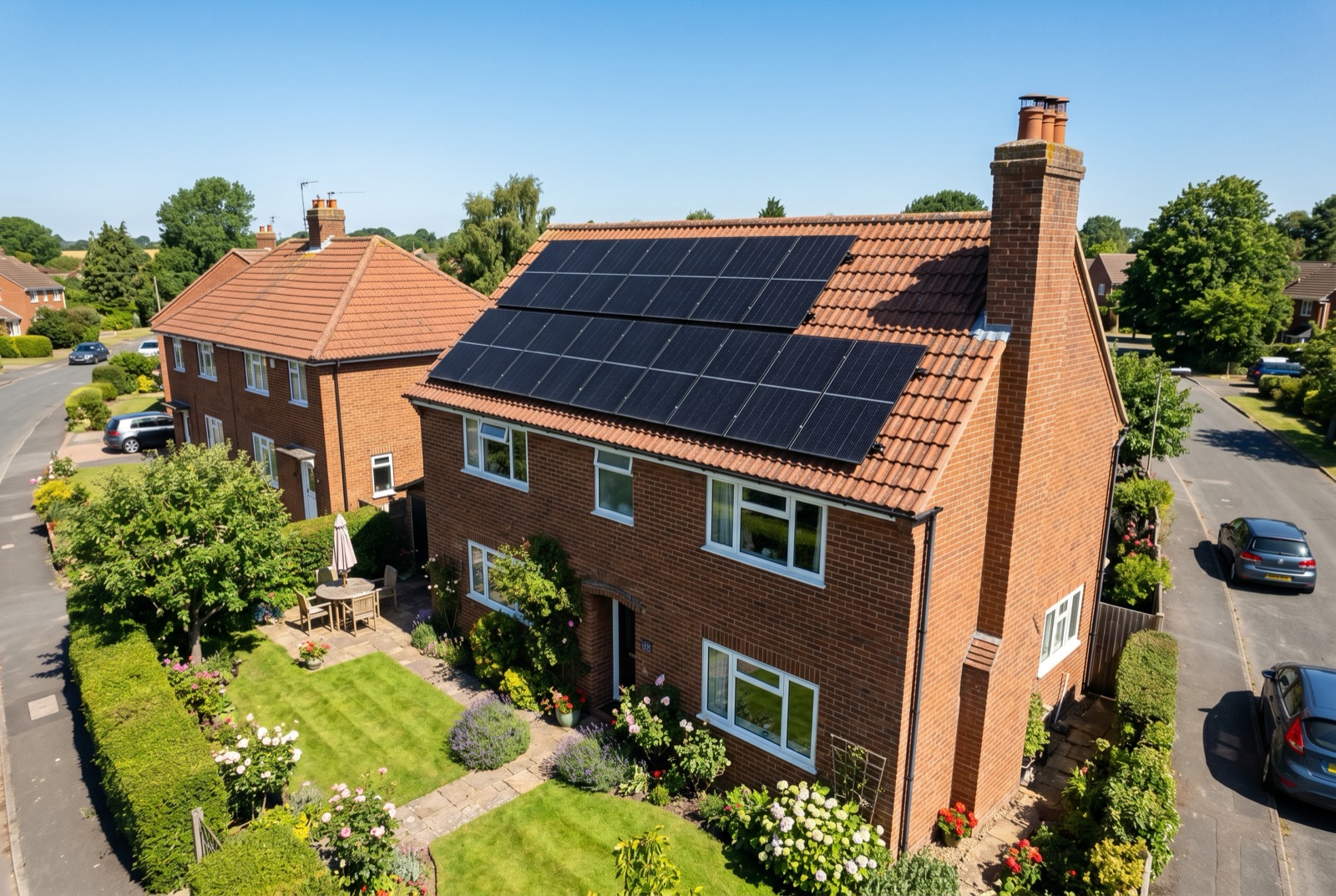
Choosing the right system size for your home is about matching panel output to your actual daytime electricity consumption — not simply installing as many panels as your roof can hold. A household that uses most of its electricity in the evening will benefit less from a large array without battery storage than one that runs appliances during daylight hours. A 3–4 kWp system covers the bulk of daytime demand for a typical UK semi-detached house, and is the most common size installed.
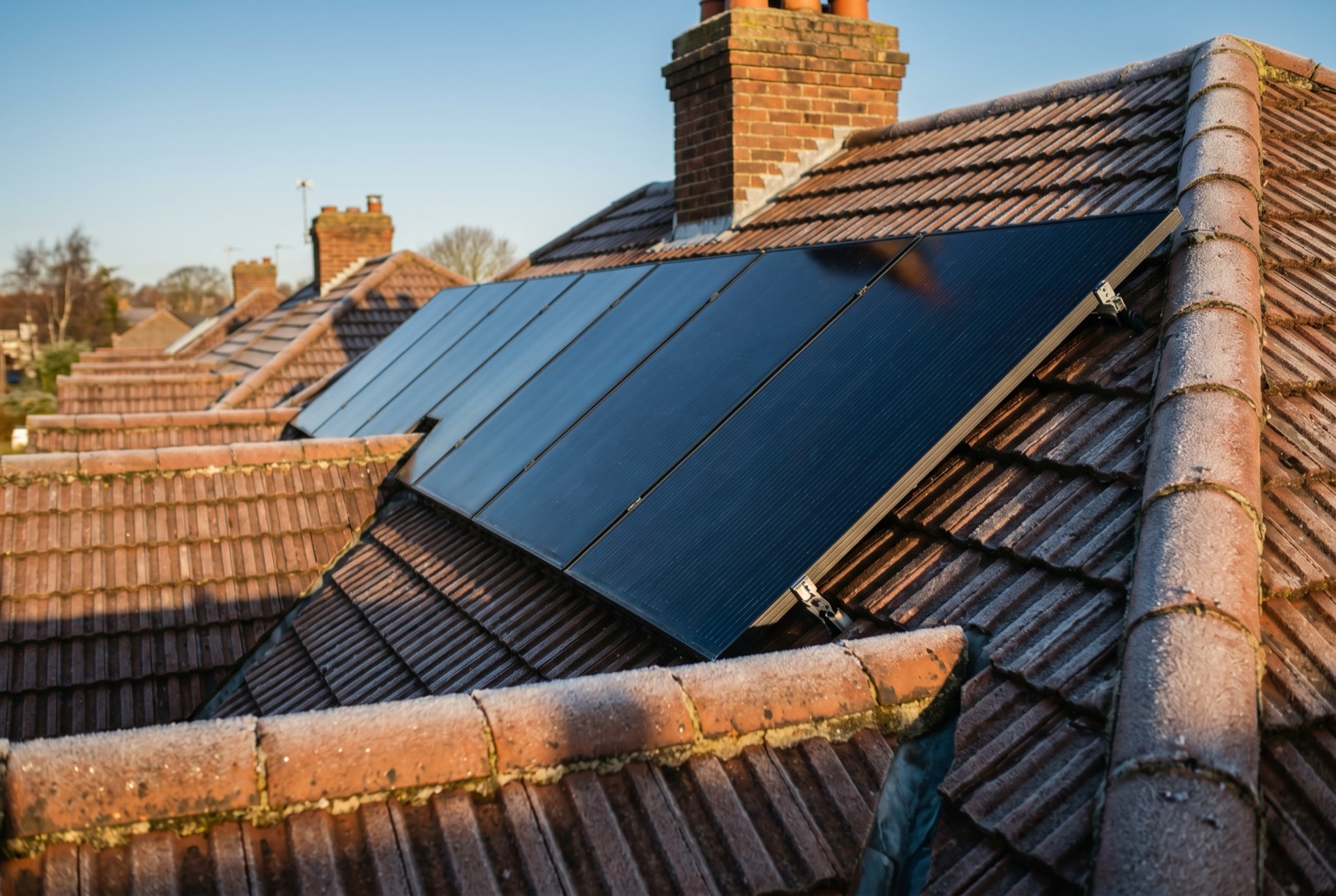
Your roof orientation and pitch also affect output significantly. A south-facing 35-degree pitch will generate considerably more than an east- or west-facing equivalent. An MCS-certified installer will model expected generation for your specific property before you commit to a system size.
Since April 2022, solar PV installations on residential properties in Great Britain have attracted 0% VAT, a saving of 20% compared to the standard rate. This applies to the panels, inverter, mounting system, and installation labour when supplied and fitted together. The zero rate is currently legislated to run until at least March 2027, though the government has indicated support for extending it further. This single measure has meaningfully reduced the barrier to entry for many households.
The Smart Export Guarantee (SEG) is the government-mandated scheme that requires larger energy suppliers to pay you for electricity your system exports to the grid. Every unit you generate but do not use in your home can be sold back. Rates are set by individual suppliers and typically range from around 12p to 27p per kilowatt-hour, depending on the tariff and supplier you choose.
To receive SEG payments, your installation must be certified under MCS (Microgeneration Certification Scheme) and you must have a smart meter or export meter. A 3.5 kWp system in central England might reasonably export enough surplus to earn in the region of £100–£200 per year at current rates, on top of the savings from self-consumed generation. Southern-facing systems in sunnier regions of the UK will typically earn more.
Payback on a solar PV system comes from two sources: the electricity you generate and use yourself (saving on what you would otherwise buy from your supplier), and the export payments you receive through the SEG. At current electricity prices, a well-sized, well-sited system that also benefits from battery storage can shorten the payback timeline meaningfully. Without battery storage, a typical household might expect to self-consume around 30–50% of total generation.
Based on current cost and energy price data, most households with a 3–5 kWp system can expect a payback period in the range of 8–15 years. Systems paired with battery storage, or households with higher daytime electricity use, often sit toward the shorter end of that range. Solar panels typically carry a 25-year performance warranty from the manufacturer, meaning the majority of their useful life falls after break-even.
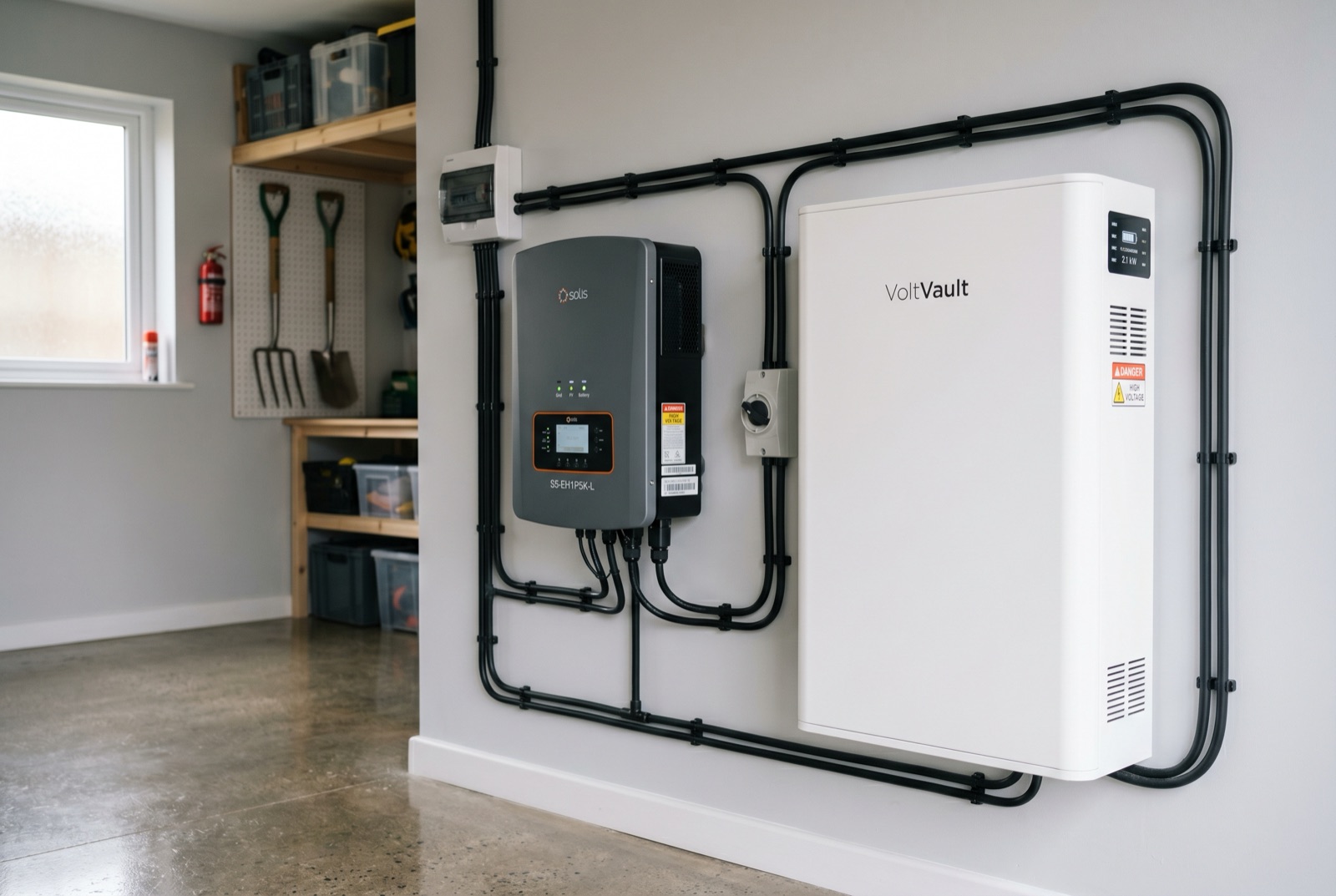
A solar battery stores surplus generation during the day for use in the evening, significantly increasing the share of your own solar electricity you actually consume. This reduces what you draw from the grid during peak-rate hours and lessens dependence on SEG export income. Adding battery storage increases the upfront cost, with capacity the main driver, but can improve the overall economics for households with high evening electricity demand, such as those with electric vehicles or heat pumps.
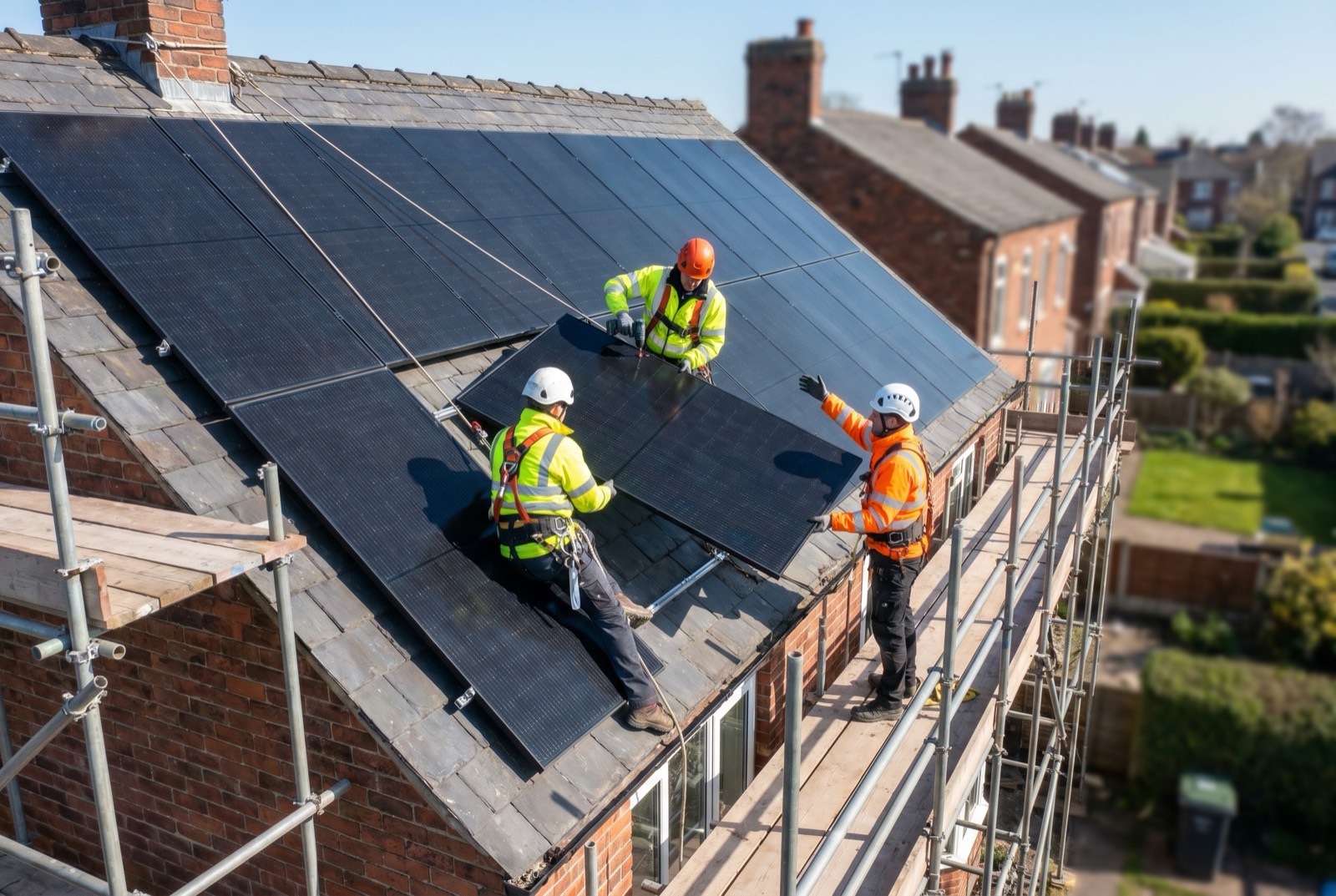
MCS (Microgeneration Certification Scheme) certification is not a marketing badge — it is the technical and quality standard required by the government for SEG eligibility and for many insurance and mortgage purposes. An MCS-certified installer must follow defined design and installation standards, provide a commissioning report, and register your system on the MCS database. This registration is what proves your system was installed correctly when you apply for SEG payments or sell your home. Always confirm your installer holds current MCS certification before signing a contract.
A free, no-obligation home assessment with an MCS-certified solar installer is the most practical starting point. They can model your roof's actual generation potential, confirm whether your property is suitable, size the system to your consumption, and give you a written quote that accounts for all current incentives including the 0% VAT and SEG. You can find verified, local MCS-certified solar installers through the Renovation Register.
Related on Renovation Register