Since April 2022, the UK government has applied a zero rate of VAT to the installation of most energy-saving materials in residential properties. For homeowners, this means the 20% VAT charge that previously applied to qualifying work simply does not appear on your invoice — the installer supplies and fits the equipment at 0%, and HMRC reimburses the difference through the normal VAT return process. Understanding what qualifies, how it is applied, and what it realistically saves you is the first step toward making a well-informed decision about upgrading your home.
Before April 2022, a reduced rate of 5% VAT applied to the installation of certain energy-saving materials. The Spring Statement 2022 went further, reducing that rate to zero for a period running until March 2027, after which it is currently legislated to revert to 5%. The relief is set out in Group 2 of Schedule 7A to the VAT Act 1994, as amended by SI 2022/376. It covers both the goods and the installation labour — you do not pay VAT on either element when the work qualifies.
HMRC defines the qualifying list by reference to specific technologies and conditions. A qualifying installation must be made in a residential building or a building used for a relevant residential purpose. The materials themselves must be among those listed in legislation. As of the 2022 changes, the qualifying list includes:
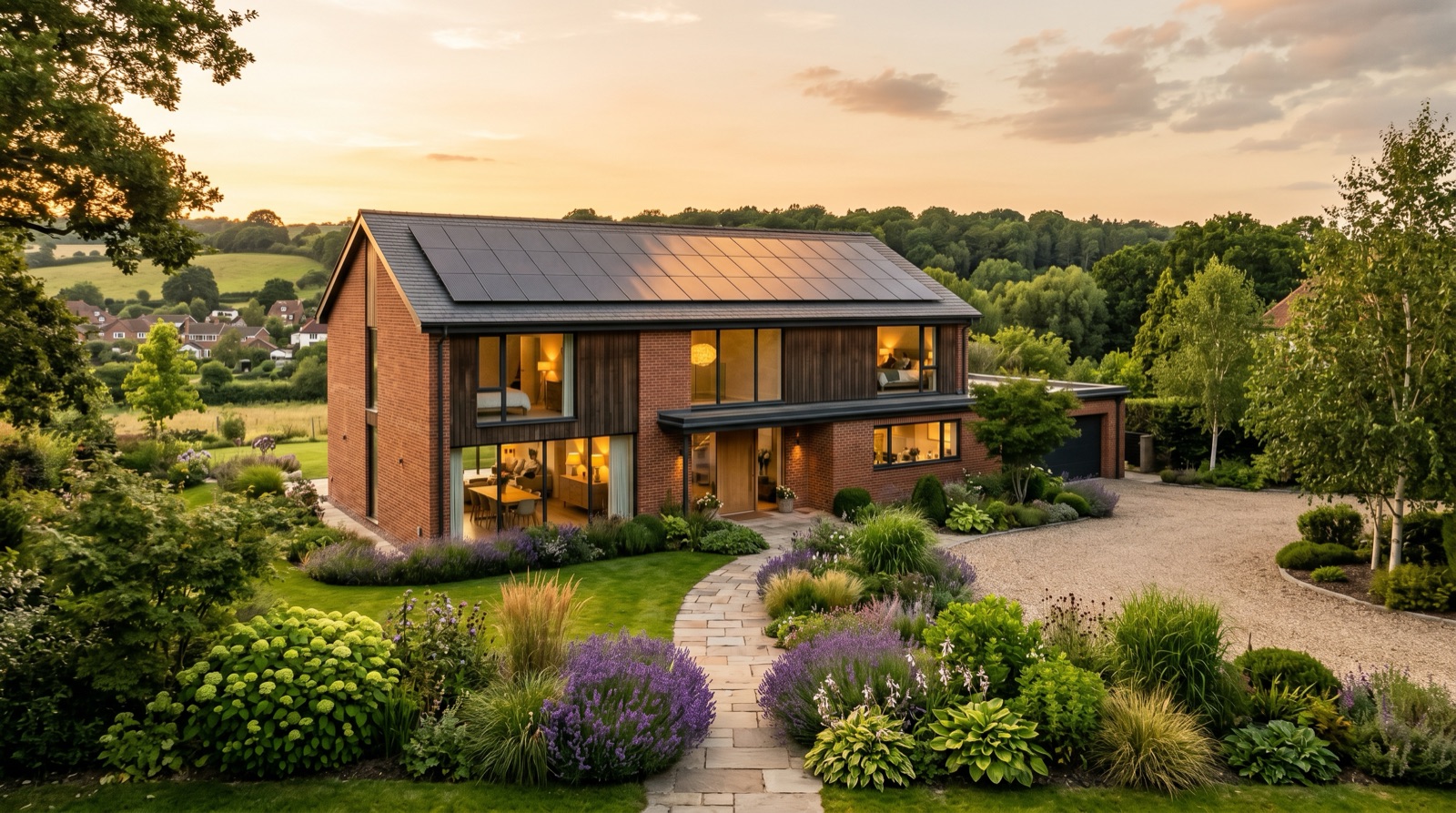
- Solar panels (photovoltaic and solar thermal systems)
- Wind turbines
- Water turbines (micro-hydro)
- Ground source heat pumps
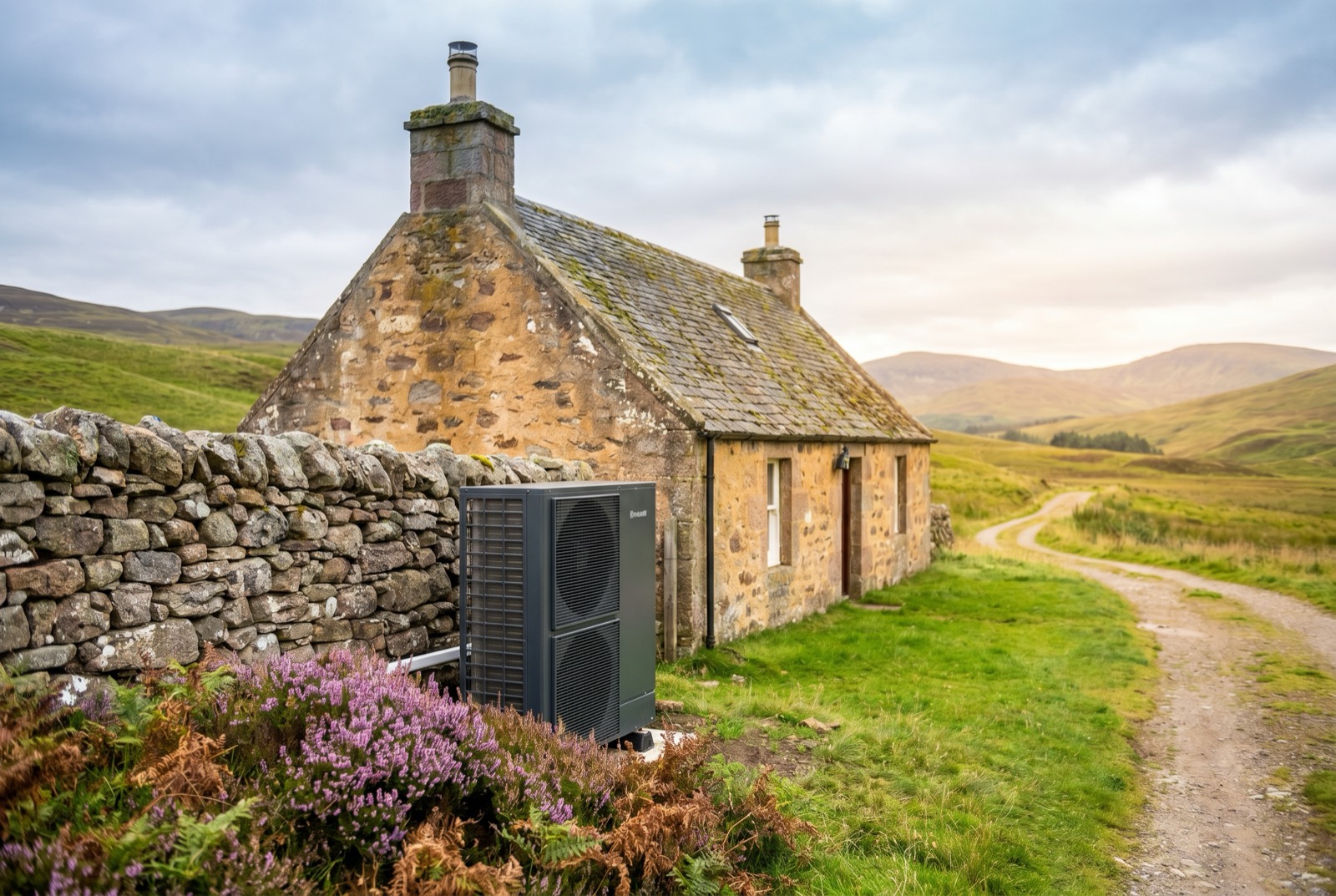
- Air source heat pumps
- Micro combined heat and power units (micro-CHP)
- Wood-fuelled boilers (biomass boilers)
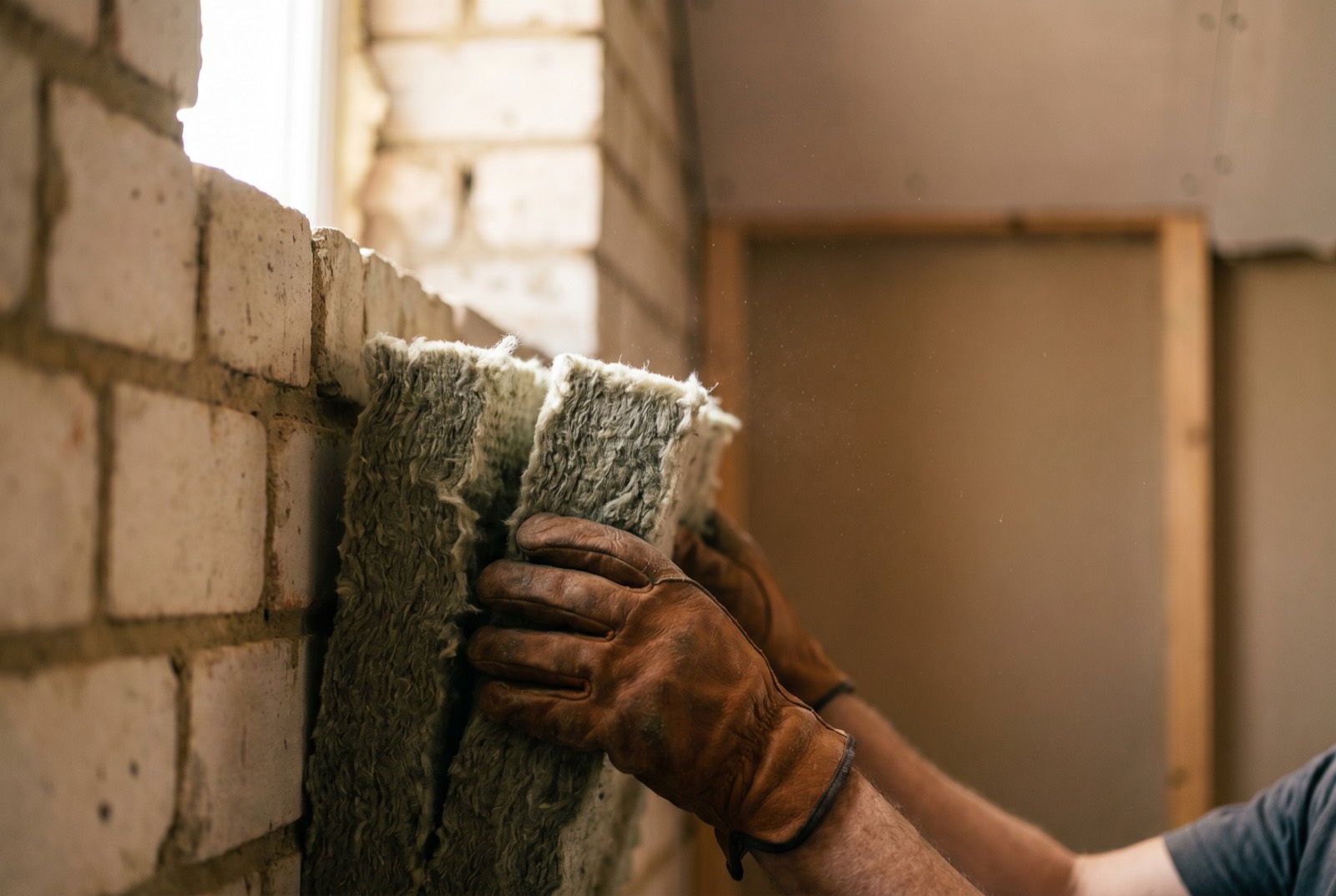
- Insulation — including cavity wall, loft, floor, solid wall and flat roof insulation
- Draught stripping for windows and doors
- Central heating system controls (thermostats, programmer units, smart controls)
- Hot water system controls and insulation (cylinder thermostats, pipe lagging)
- Battery storage systems when installed alongside a qualifying technology (HMRC guidance extended this following the 2022 changes)
It is important to note that the zero rate applies to the complete supply — meaning the cost of the equipment and the labour to install it. A standalone supply of goods (for example, a homeowner buying solar panels to self-install) does not benefit from the same relief in the same way. The relief is designed to apply when a VAT-registered installer carries out the work.
Before April 2022, the reduced-rate rules included a residential conditions test: properties that had been lived in for fewer than two years, or where the materials cost more than 60% of the total job cost, could be charged at the standard 20% rate. The 2022 reform removed the two-year and 60% tests entirely for the qualifying materials listed above, which significantly broadened access. However, certain items remain outside the qualifying list — for example, gas boilers, oil boilers, double glazing (as a standalone supply), and heat recovery ventilation units are not covered. If you are unsure whether a specific measure qualifies, ask your installer to confirm the VAT treatment in writing before you sign a contract.
You do not need to claim anything back or fill in a form. A VAT-registered installer who is supplying and fitting qualifying energy-saving materials must charge 0% VAT on that work. The zero rate appears on your invoice — or rather, it does not appear at all, because there is nothing to add. The installer accounts for this through their own VAT returns with HMRC. Your only responsibility is to ensure the installer is VAT-registered (you can verify this on the HMRC VAT registration checker) and that the invoice correctly reflects the zero rate. Keep a copy of the invoice as part of your property records.
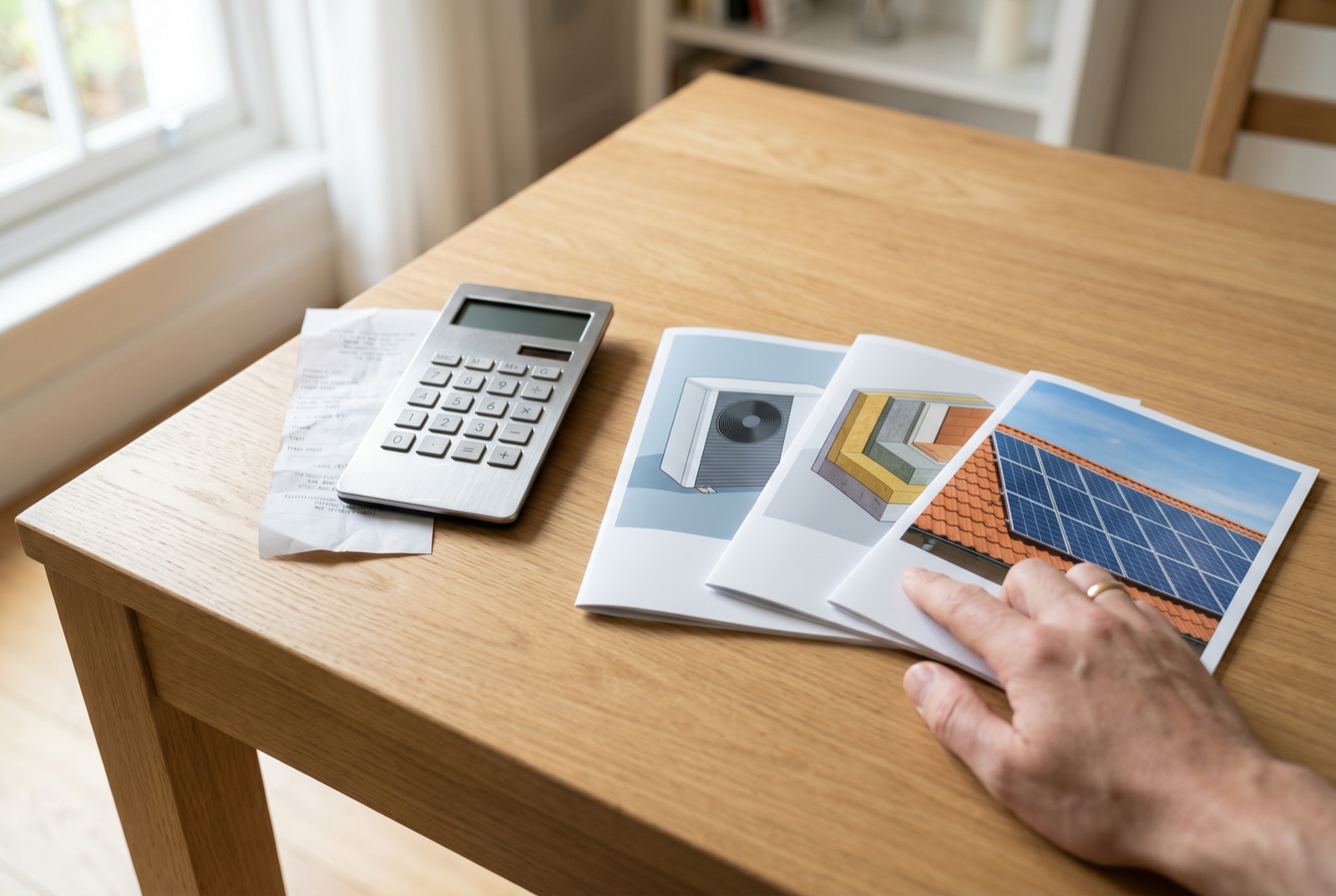
The saving is simply 20% of what the job would otherwise have cost — meaning the relief is proportional to the size of the installation. The larger the installation, the larger the saving:
- Solar PV system (3–4 kWp): the 0% VAT rate removes a fifth of what a 20% rated supply would have cost
- Air source heat pump (domestic): a larger job, so the VAT saving is correspondingly larger
- Loft insulation (standard detached): a smaller job, so the VAT saving is modest
- Solid wall insulation (external): one of the bigger jobs, so the VAT saving is among the largest
- Battery storage added to an existing solar system: the saving scales with the capacity you add
The actual saving depends on your property size, location, system specification, and installer, so it follows your own quote. The VAT relief does not reduce the amount eligible for other grant schemes — it sits alongside them.
The 0% VAT relief stacks with other government support. If you are installing an air source or ground source heat pump, you can also apply for the Boiler Upgrade Scheme, which offers a grant of up to £7,500 toward the cost. That grant is applied to the invoice price, which already reflects the zero VAT rate — so you benefit from both. Similarly, households eligible for the Great British Insulation Scheme or Energy Company Obligation (ECO4) may receive fully or partially funded insulation, also supplied and installed at 0% VAT. The zero rate therefore amplifies the value of every pound of grant funding, because there is no VAT on top to erode it.
Yes. VAT is a reserved matter and the zero rate applies across the whole of the United Kingdom — England, Scotland, Wales, and Northern Ireland. Scottish homeowners using the Home Energy Scotland Grant and Loan scheme benefit from the same VAT treatment on qualifying measures. Welsh homeowners accessing the Nest Warm Homes scheme similarly pay no VAT on eligible installation work. The rules are identical regardless of nation.
- Confirm the installer is VAT-registered and ask them to state on the quote that the supply will be zero-rated for VAT under Group 2, Schedule 7A VATA 1994.
- Ensure the measure you are installing is on the qualifying list — check HMRC VAT Notice 708/6 for the definitive reference.
- Ask whether battery storage will be zero-rated: if fitted at the same time as a qualifying technology (solar PV, heat pump), it generally qualifies. A standalone retrofit battery may be treated differently — confirm this explicitly.
- For MCS-certified installations (solar PV, heat pumps, solar thermal, biomass, micro-hydro, micro-CHP), verify the installer's MCS number on the MCS installer database. MCS certification is separate from VAT compliance but is essential for grid connection, Smart Export Guarantee eligibility, and Boiler Upgrade Scheme grants.
- Keep all invoices and certificates in your property records — they may be required for future mortgage, sale, or grant applications.
The 0% VAT relief is one of the most straightforward financial benefits available to homeowners making energy improvements — it requires no application, no waiting, and no means test. Whether you are planning solar panels, a heat pump, or insulation, the first step is a home energy assessment from a qualified professional. An MCS-certified installer can advise on the right combination of measures for your property, confirm the VAT treatment that applies, and help you identify any additional grant funding you may be entitled to.