If you are trying to reduce your energy bills and cut your home's carbon footprint, loft insulation is almost always the right place to start. Heat rises, and in an uninsulated home a significant portion escapes straight through the roof. Topping up or installing loft insulation is typically the most affordable energy improvement available, delivers measurable savings from the first winter, and in many cases can be done at little or no cost through UK government grant schemes. This guide walks through what it costs, what you can realistically save, and how to find out whether you qualify for free installation.
Energy efficiency improvements are most effective when applied in the right order. Loft insulation sits at the top of that sequence for most UK homes because it addresses one of the largest sources of heat loss, requires no changes to your heating system, and has one of the shortest payback periods of any home improvement. Unlike more complex measures such as heat pumps or solid wall insulation, loft insulation involves a relatively straightforward installation process, causes minimal disruption, and the materials themselves are low-maintenance and long-lasting — typically 40 years or more.
Installing loft insulation before upgrading your heating system also makes sound financial sense. A better-insulated home needs less heat to stay warm, which means any subsequent investment in a heat pump or upgraded boiler will be appropriately sized and more efficient in operation. Doing it the other way around risks oversizing your heating plant and reducing its efficiency.
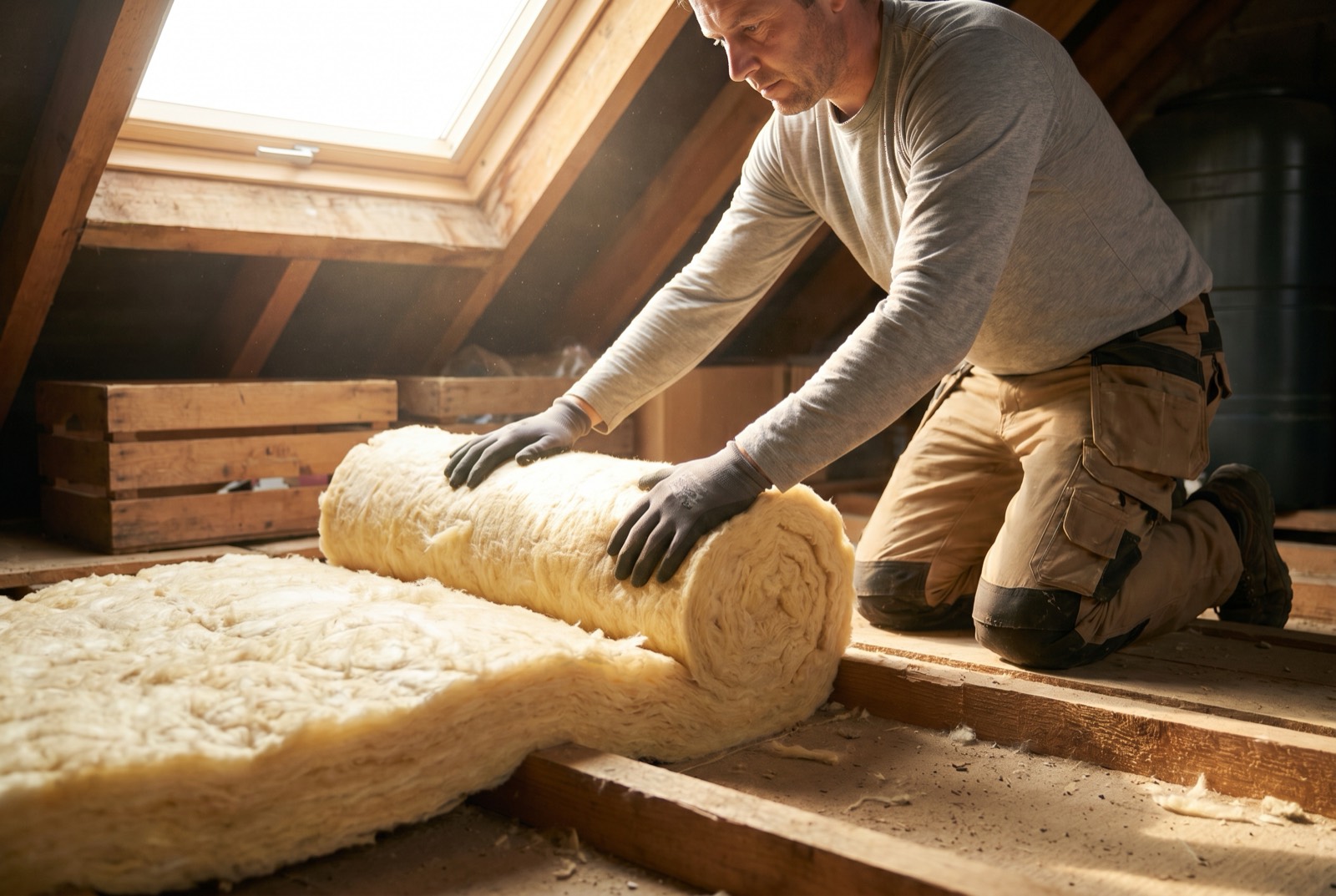
- Mineral wool rolls (most common): laid between and over the joists in an accessible, unfloored loft. Straightforward to install and the most widely quoted option.
- Blown-in loose fill: cellulose or mineral fibre blown into place, particularly useful for lofts with difficult access or irregular joist spacing.
- Rigid insulation boards: used where the loft is converted or boarded, or where a flat roof needs insulation from the interior.
- Spray foam: occasionally offered but worth approaching with caution — some mortgage lenders have reservations about spray foam in roof spaces, so always seek independent advice first.
Costs vary depending on the type of insulation, the size of your home, and whether your loft already has some insulation that needs topping up. Loft insulation is one of the cheaper energy-saving measures to have fitted, but larger detached houses or those requiring additional preparation work cost more, while topping up existing thin insulation tends to be cheaper than starting from scratch. Blown-in insulation for difficult-to-access lofts tends to cost a little more in materials but can save on labour time. A quote from an installer gives an accurate figure for your loft.
It is worth noting that qualifying installations currently benefit from 0% VAT under UK energy-saving materials rules, which reduces the cost compared with most other home improvement work. Always confirm VAT treatment with your installer before accepting a quote.
The savings you achieve will depend on your current level of insulation, your home's size and construction, how you heat your home, and your energy tariff. As a general guide, going from no loft insulation to a recommended depth of 270 mm of mineral wool can reduce heat loss through the roof substantially, and many households see a noticeable reduction in their heating bills within the first year. Homes that currently have only 100 mm or less of existing insulation — a common situation in properties built before the 1990s — can see meaningful savings simply by topping up to the current recommended standard.
The payback period for loft insulation installed at typical market rates is often cited as one of the shortest of any energy measure — in some cases a few years or less, particularly for households on higher energy tariffs. After payback, the savings continue for the life of the insulation.
Two major government programmes currently offer free or heavily subsidised loft insulation to eligible households in England, Scotland, and Wales. The Energy Company Obligation (ECO4) targets lower-income households and those in the least energy-efficient homes, with energy suppliers funding the work. The Great British Insulation Scheme (GBIS) has a somewhat broader eligibility criteria, covering households in properties with an EPC rating of D or below, with a separate strand for lower-income households regardless of EPC rating. In Scotland, Home Energy Scotland provides grant and loan support, and in Wales, the Nest scheme offers free measures to eligible households.
- ECO4: free insulation for low-income households and those on certain qualifying benefits, funded by energy suppliers.
- Great British Insulation Scheme: free or low-cost insulation for homes with EPC D or below, or households meeting an income threshold.
- Home Energy Scotland Grant: grants and interest-free loans for Scottish households, including for insulation measures.
- Nest (Wales): free energy efficiency improvements including insulation for eligible Welsh households.
The fastest way to check whether you qualify for free or subsidised loft insulation is to look up your home's current EPC rating on the government register (available at gov.uk) and then contact a registered scheme provider or use the government's eligibility checker tools. Many installers who operate under ECO4 or GBIS will carry out an initial assessment at no charge. If you do not qualify for a free scheme, it is still worth obtaining two or three quotes from established local installers to compare pricing and check what is included — particularly whether they will remove and dispose of old insulation if needed.
A standard loft insulation job typically takes between two and four hours for a team of two. The installer will check the loft for any ventilation requirements, ensure the hatch is properly insulated, lay the first layer of mineral wool between the joists, and then lay a second layer at right angles across the top to reach the full recommended depth. Any pipes or water tanks in the loft will need insulating separately to prevent freezing, as insulating the floor of the loft means cold air can now reach those components more freely — a good installer will point this out and address it as part of the job.
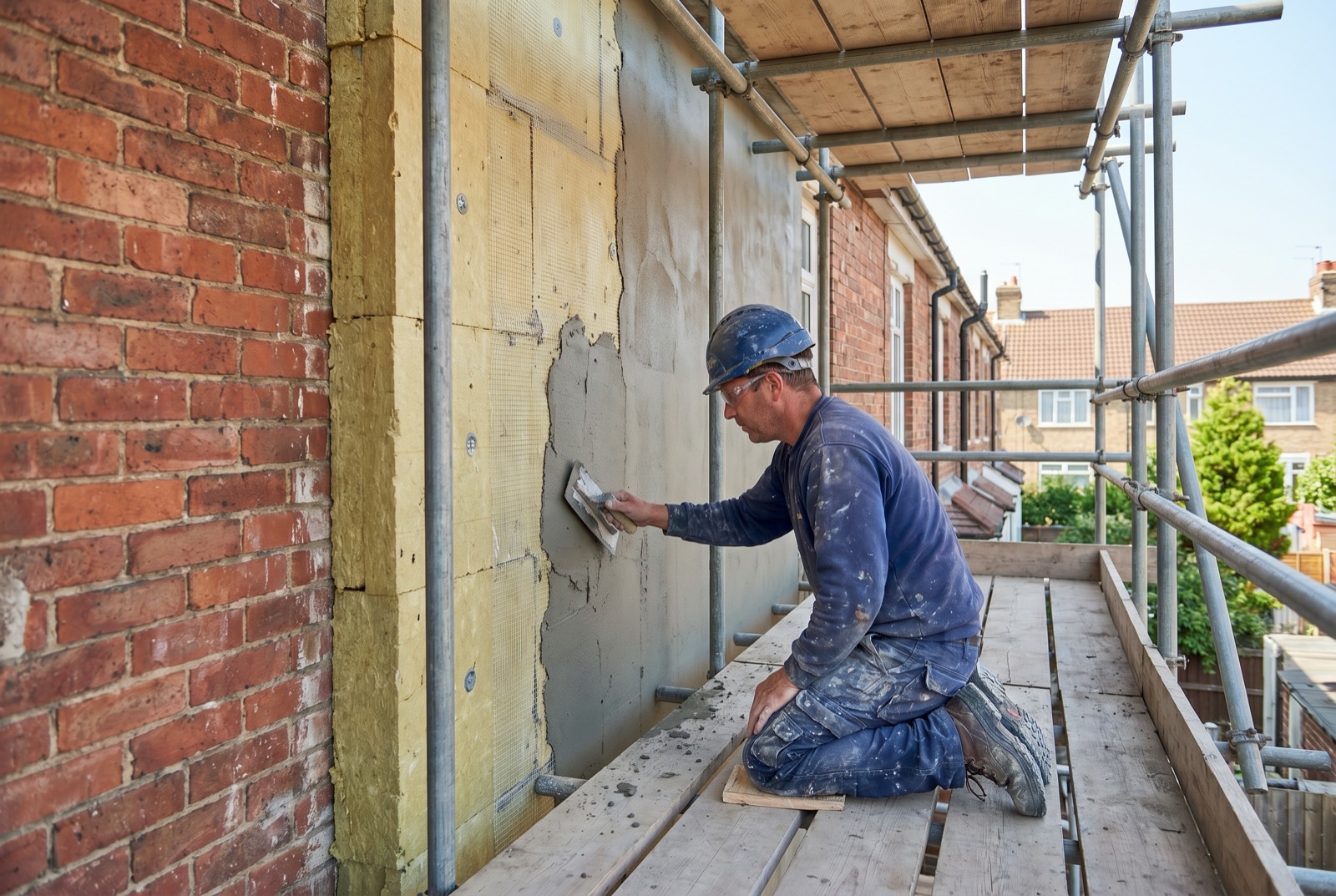
Loft insulation works best as the first step in a staged retrofit rather than a one-off measure. Once the roof is properly insulated, the logical next steps typically include wall insulation (cavity or solid, depending on your construction), draught-proofing, and then — when the fabric is performing well — an upgrade to a lower-carbon heating system such as an air source heat pump. Solar PV panels become more cost-effective in a well-insulated home too, because the electricity they generate is used more efficiently when the building itself is retaining heat. Thinking of your home as a system, rather than a collection of individual improvements, will give you a better return on every pound spent.
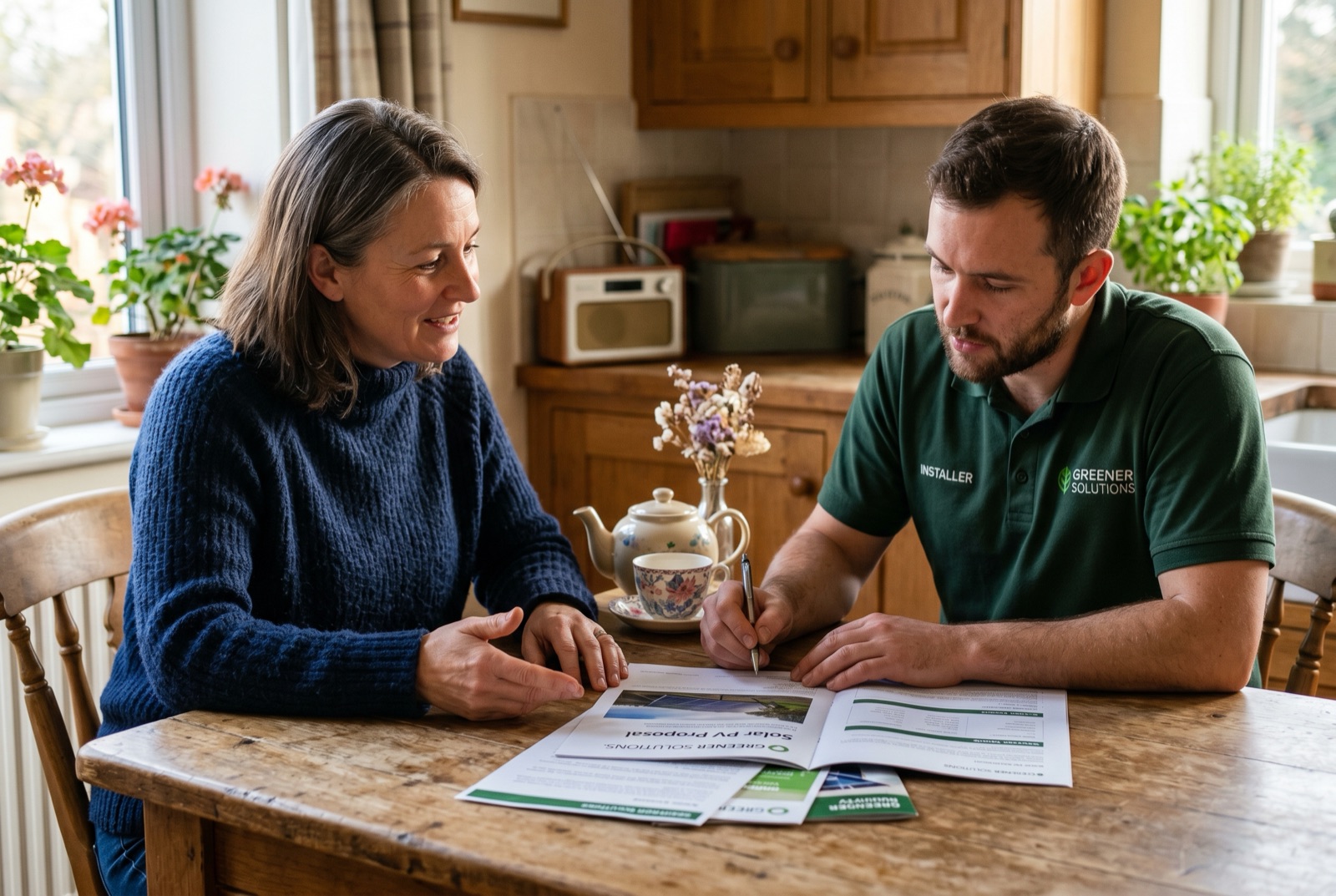
A good starting point is to book a free home energy assessment with a qualified, MCS-certified installer or an accredited energy assessor. They can survey your loft, confirm the most appropriate insulation type and depth, and tell you exactly which schemes you may be eligible for — including whether the work could cost you nothing at all. Use our directory to find MCS-certified installers and trusted local tradespeople operating in your area.