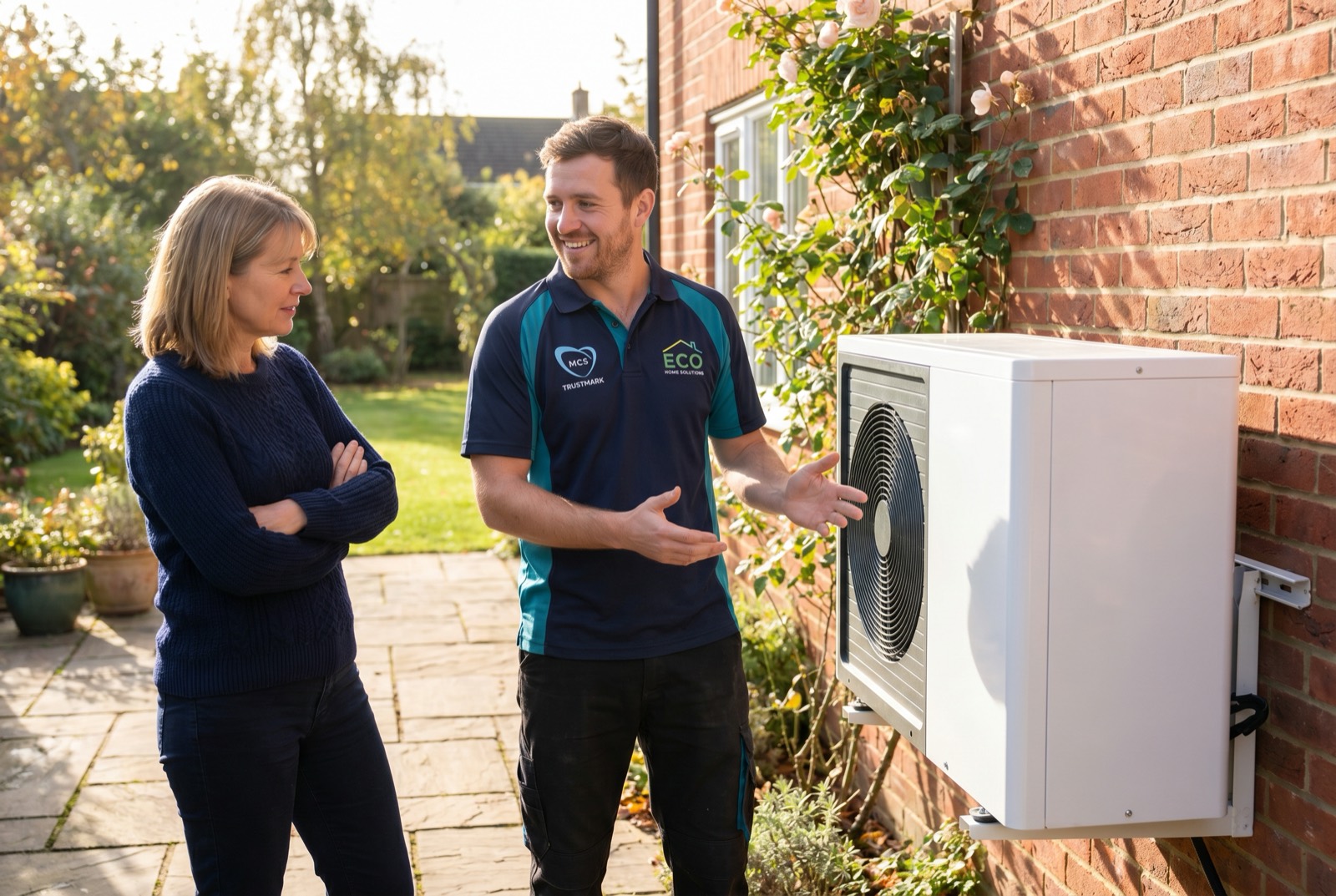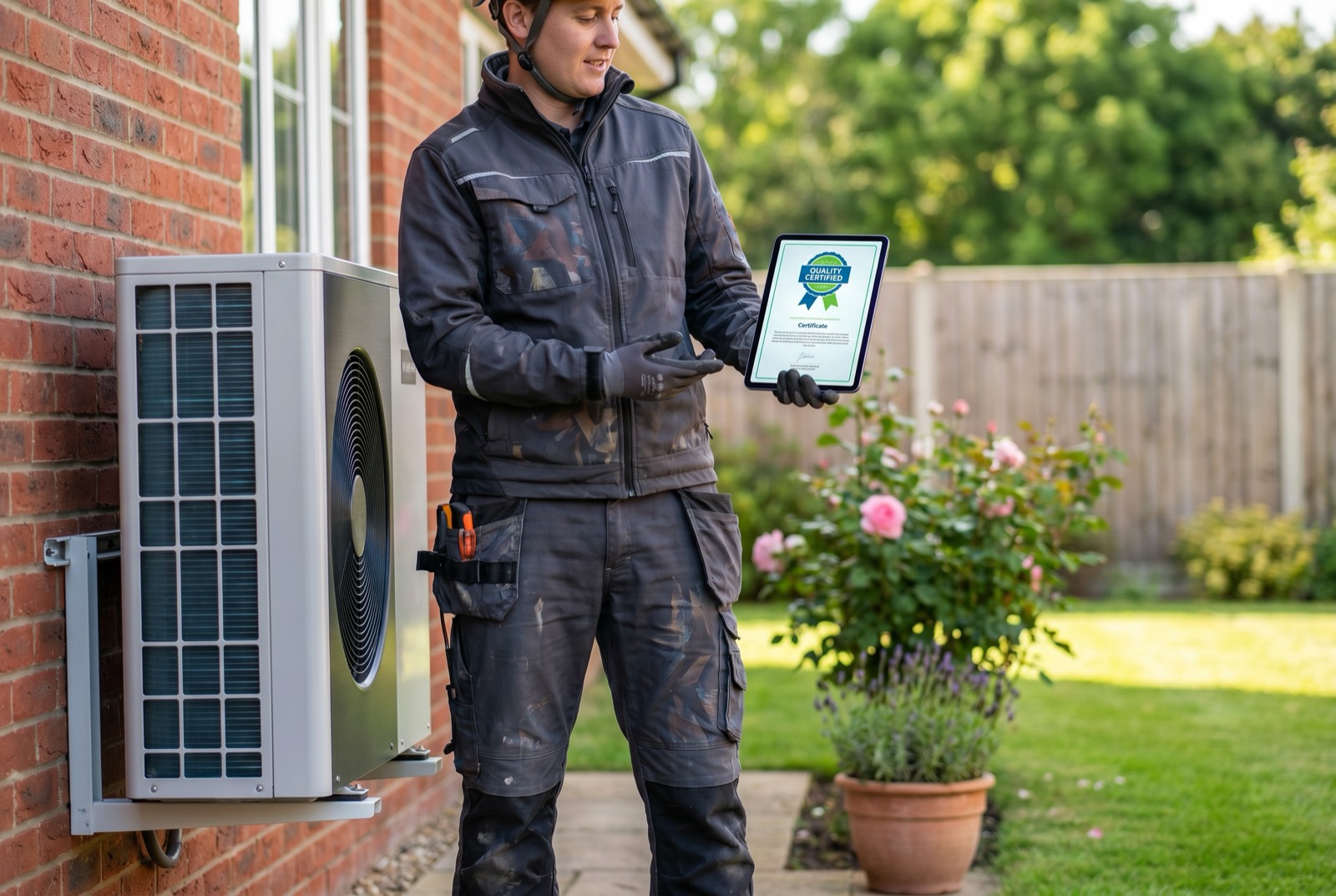
MCS — the Microgeneration Certification Scheme — is the quality standard that governs how renewable energy systems are installed in UK homes. If you are considering a heat pump, solar panels, battery storage or a biomass boiler, MCS certification is not a nice-to-have detail buried in the small print: it is the foundation on which your warranty, your access to government grants and your legal consumer protections are built. This guide explains exactly what the scheme covers, why it matters in practical terms, and how to check an installer's status before you commit.
What MCS Is and How It Works
MCS is an independent, government-recognised certification scheme administered by MCS Charitable Foundation. It sets technical and quality standards for both the products used in microgeneration installations and the companies that carry them out. An installer who holds MCS certification has been assessed against a detailed set of installation standards, has demonstrated the relevant technical competence, holds the required insurance, and agrees to follow a formal complaints process if anything goes wrong. The scheme covers heat pumps (air source, ground source and water source), solar PV, solar thermal, battery storage, biomass heating systems, wind turbines and micro-hydro.
Certification is not granted once and forgotten. MCS-certified installers are subject to regular audits — inspectors review their installations, paperwork and customer records. If an installer falls below standard, their certification can be suspended or withdrawn. This ongoing oversight is what gives the certificate genuine weight, as opposed to a one-time accreditation that is never revisited.
Why MCS Certification Is a Legal Requirement for Most Grants
The UK government has made MCS certification a condition of access to its main home-energy financial incentives. Under the Boiler Upgrade Scheme, only installations carried out by a certified installer and using MCS-certified equipment qualify for the grant — which is worth up to £7,500 towards a heat pump or up to £5,000 towards a biomass boiler. The Smart Export Guarantee, which pays you for surplus solar electricity exported to the grid, also requires that your solar PV system was installed under MCS. Without certification, you cannot access these payments, regardless of how well the system performs. The same applies to 0% VAT on qualifying energy-saving measures: your installation must meet the relevant standards, and MCS certification is the recognised evidence that it does.
The Consumer Protections That Come With It
Choosing an MCS-certified installer means your contract with them is governed by the MCS Consumer Code. This is a formal code of practice that defines the standards companies must meet before the sale — including how they present quotes, what information they must disclose and how long your cooling-off period is. It also defines your rights after installation: all MCS installations must come with a workmanship warranty of at least two years, and the products installed must carry their manufacturer's warranty. Critically, every certified installer must be a member of an approved Alternative Dispute Resolution (ADR) service. If a disagreement cannot be resolved directly, you have a clear, free escalation route — without needing to go to court.
- Pre-sale transparency: written quote, energy savings estimate and full system specification before you sign.
- A 14-day cooling-off period on contracts signed at or after a home visit.
- Minimum two-year workmanship warranty on every MCS installation.
- Product warranties as specified by the manufacturer, covering the installed equipment.
- Access to a free ADR scheme if the installer fails to resolve your complaint within eight weeks.
- Ongoing audit oversight: the installer's certification can be removed if standards slip.
What MCS Certification Does Not Cover
MCS sets a floor, not a ceiling. A certified installer has met the minimum quality threshold, but the scheme does not rank installers by experience, customer satisfaction or project complexity. An installer new to certification is held to the same technical standards as one with fifteen years of heat pump installations — both pass the same audit. For that reason, it is sensible to look beyond the certificate: ask for references from comparable projects, check independent review platforms and confirm the installer has specific experience with the system type and property size you are dealing with. MCS certification also does not govern price: there is no fixed or regulated price for any installation, and quotes can vary considerably between certified companies.
How to Verify an Installer's MCS Status
Checking MCS status is straightforward and free. The MCS website (mcscertified.com) hosts a publicly searchable database of all currently certified installers and certified products. You can search by postcode, company name or technology type. The result will show you whether the company is currently certified, which technologies they are certified for and — importantly — whether that certification is active. Never rely solely on a company's own claim or a logo on their website: status can lapse, and it is always worth verifying directly.
- Go to mcscertified.com and open the 'Find an installer' search.
- Enter your postcode and select the technology you need (e.g. heat pump or solar PV).
- Confirm the company name on the result matches the company you are speaking to.
- Check the certificate status is shown as active — not expired or suspended.
- Note the technologies listed: a company certified for solar PV is not automatically certified for heat pumps.
- Ask the installer for their MCS certificate number before signing a contract — a legitimate installer will provide it readily.
Red Flags to Watch For
A small number of companies operate in the renewable energy market without valid MCS certification, sometimes relying on vague claims about accreditation or affiliations with trade bodies. Common warning signs include pressure to sign quickly before you have had time to verify their credentials, a reluctance to provide a written quote or contract, an inability to supply a certificate number, or an offer to 'sort the grant paperwork' without being able to show they are enrolled in the relevant scheme. If an installer cannot confirm their MCS status within the database, walk away: the grant funding, the warranty protection and the legal consumer rights all depend on it being genuine.
MCS-Certified Products: The Other Half of the Standard
MCS certification applies to both installers and products. Every heat pump, solar panel or battery system installed under MCS must itself be listed on the MCS Product Directory, confirming it has been independently tested against relevant technical standards. This matters because it ensures the equipment is fit for purpose in a UK residential context and protects you if the manufacturer's warranty is later disputed. When you receive a quote, the product model should be listed — you can cross-reference it against the MCS Product Directory to confirm it is a certified product before you proceed.
If you are ready to move forward, the most practical next step is to get a free home assessment from an MCS-certified installer. A surveyor will visit your property, evaluate what system is appropriate for your home's size, heating demands and fabric, and give you a written recommendation with indicative costs — all before you are asked to commit to anything. Use Renovation Register to find certified installers in your area and request your assessment at no cost.